
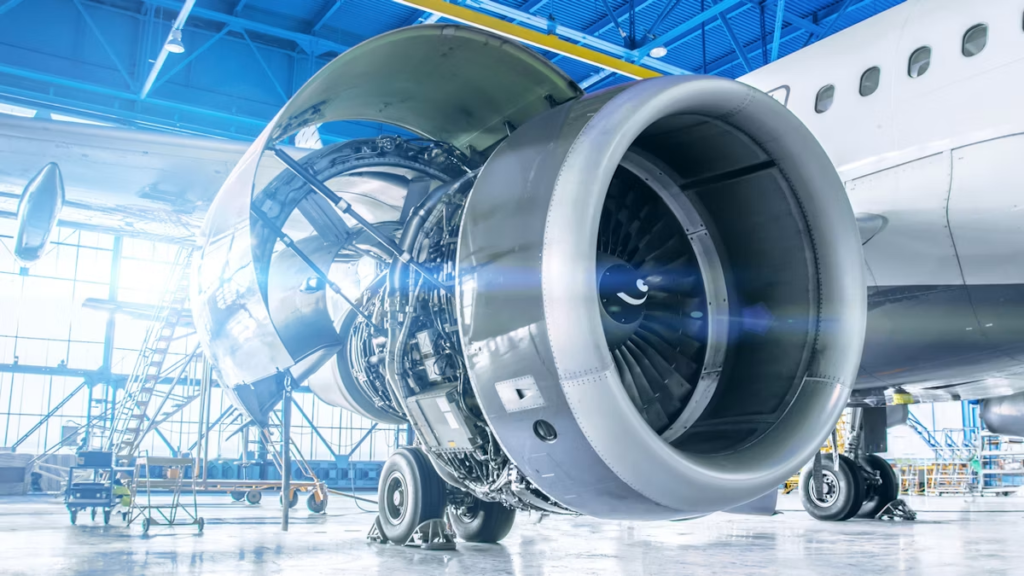

Aerospace suppliers operate in an industry where safety, reliability, and precision are paramount. Unlike general manufacturing, where minor defects may not have severe consequences, the aerospace sector faces unique challenges due to the complexity of its products and the critical nature of their applications. Aircraft components must perform flawlessly under extreme conditions, and even the smallest oversight can lead to catastrophic outcomes. As a result, aerospace suppliers are held to much higher standards, with rigorous quality controls that far exceed those found in most other manufacturing sectors. This heightened scrutiny ensures that every part meets strict regulatory and performance requirements.
What Sets Aerospace Quality Apart
The High Stakes of Aerospace Manufacturing
Aerospace manufacturing is fundamentally different from general manufacturing because of the immense risks involved. Every component produced for an aircraft, whether it is a fastener, an engine part, or an electronic system, must function perfectly throughout its service life. The consequences of failure are not limited to financial losses or product recalls; they can result in loss of life, environmental disasters, and irreparable damage to a company’s reputation. This reality drives aerospace suppliers to adopt quality control measures that are far more stringent than those used in other industries. The need for traceability, documentation, and verification at every stage of production is non-negotiable. Suppliers must demonstrate that their processes are robust enough to prevent defects from reaching the final product, and that any issues can be quickly traced back to their source. This level of accountability is rarely seen in general manufacturing, where the risks associated with product failure are typically much lower.
Regulatory Demands and Industry Standards
The aerospace industry is governed by a complex web of regulations and standards that dictate how products must be designed, manufactured, and maintained. Regulatory bodies such as the Federal Aviation Administration (FAA) and the European Union Aviation Safety Agency (EASA) impose strict requirements on every aspect of the supply chain. Compliance is not optional; it is a legal obligation that suppliers must meet to participate in the market. One of the most widely recognized standards in the industry is as9100, which sets out the requirements for a quality management system tailored specifically to aerospace. This standard goes beyond the general ISO 9001 requirements by addressing the unique risks and challenges faced by aerospace manufacturers. Adhering to such standards ensures that suppliers have the necessary processes in place to consistently deliver safe and reliable products. It also provides customers with confidence that their suppliers are committed to maintaining the highest levels of quality and safety.
The Role of Traceability and Documentation
Traceability and documentation are cornerstones of quality control in aerospace manufacturing. Every part and material used in the production process must be fully traceable, from its origin to its final installation in an aircraft. This requirement ensures that, in the event of a defect or failure, the root cause can be quickly identified and addressed. Maintaining detailed records of every step in the manufacturing process is essential for demonstrating compliance with regulatory requirements and for supporting continuous improvement efforts. In contrast, general manufacturers may not need to maintain such exhaustive documentation, as the risks associated with their products are typically lower. For aerospace suppliers, however, the ability to provide complete traceability is a critical factor in maintaining customer trust and meeting industry expectations. This emphasis on documentation also supports the industry’s focus on safety and reliability, as it enables proactive identification and mitigation of potential risks before they can impact product performance.
Supplier Audits and Continuous Improvement
Aerospace suppliers are subject to frequent audits by both customers and regulatory authorities. These audits are designed to verify that suppliers are adhering to established quality standards and that their processes are capable of consistently producing defect-free products. The audit process is rigorous and often involves detailed examinations of manufacturing procedures, quality control systems, and employee training programs. Suppliers must be prepared to demonstrate that they are not only meeting current requirements but also actively seeking ways to improve their processes. Continuous improvement is a fundamental principle in aerospace manufacturing, driven by the need to enhance safety, reduce costs, and maintain competitiveness in a demanding market. This culture of ongoing evaluation and refinement sets aerospace suppliers apart from general manufacturers, who may not face the same level of scrutiny or pressure to innovate. The result is a supply chain that is highly resilient, adaptable, and capable of meeting the evolving needs of the aerospace industry.
The Cost of Non-Compliance
Non-compliance with aerospace quality standards can have severe consequences for suppliers. Failing to meet regulatory requirements can result in the loss of certification, exclusion from the supply chain, and significant financial penalties. More importantly, it can lead to safety incidents that damage a company’s reputation and erode customer trust. The cost of rectifying quality issues in the aerospace sector is often much higher than in general manufacturing, due to the complexity of the products and the critical nature of their applications. Suppliers must invest heavily in quality control systems, employee training, and process improvements to avoid these risks. While this investment can be substantial, it is essential for maintaining a position in the aerospace market and for ensuring the long-term success of the business. The high cost of non-compliance underscores the importance of robust quality controls and the need for suppliers to remain vigilant at all times.
Why Aerospace Quality Controls Are Unique
Aerospace quality controls are unique because they are designed to address the specific risks and challenges of the industry. Unlike general manufacturing, where quality control may focus primarily on meeting customer specifications, aerospace suppliers must also consider regulatory requirements, safety implications, and the need for complete traceability. This comprehensive approach ensures that every aspect of the manufacturing process is carefully monitored and controlled, from raw material selection to final product delivery. The emphasis on documentation, process validation, and continuous improvement creates a culture of accountability and excellence that is essential for meeting the demands of the aerospace sector.
Conclusion
Aerospace suppliers face a level of scrutiny and responsibility that far exceeds that of general manufacturers. The critical nature of aerospace products, combined with stringent regulatory requirements and the need for absolute reliability, drives the adoption of advanced quality control measures throughout the supply chain. These controls are not just about meeting customer expectations; they are about ensuring the safety of passengers, protecting the environment, and maintaining the integrity of the industry as a whole. By investing in robust quality management systems, comprehensive documentation, and a culture of continuous improvement, aerospace suppliers can meet the high standards demanded by the industry and contribute to the ongoing advancement of aviation technology. The commitment to quality is not just a business requirement—it is a fundamental obligation to the people and communities that depend on safe and reliable air travel.