
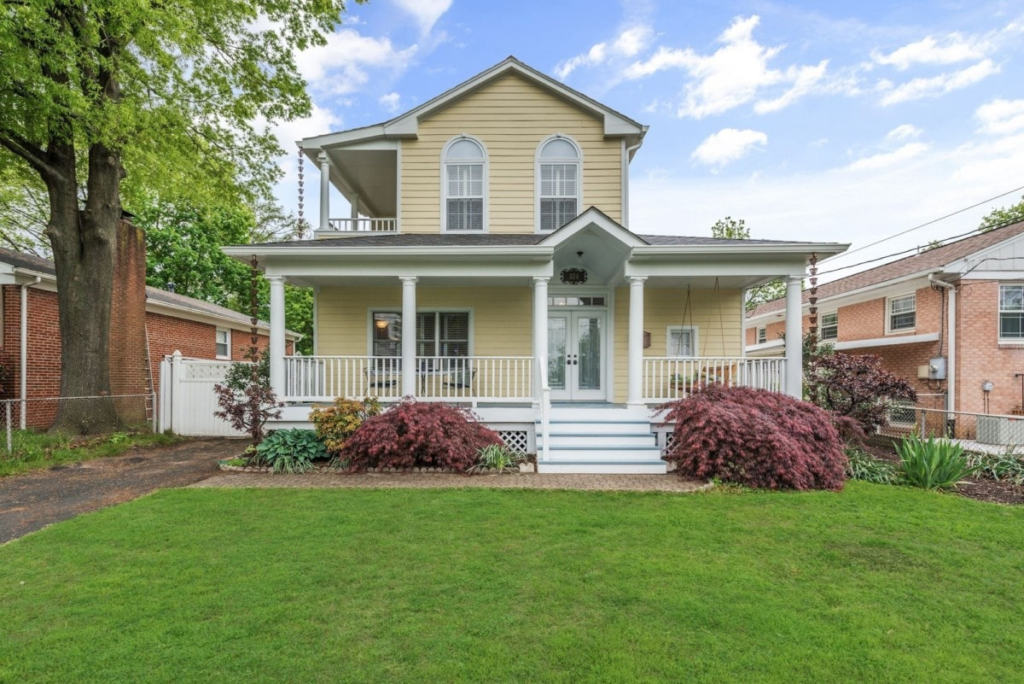

When your home’s exterior starts showing signs of wear, it can be overwhelming to decide where to begin repairs. From peeling paint and cracked siding to leaky roofs and clogged gutters, multiple issues can quickly add up, threatening both the appearance and structural integrity of your property. Prioritizing repairs is crucial, as some problems can lead to more significant damage if left unaddressed. Understanding which exterior issues demand immediate attention and which can wait will help you protect your investment, maintain curb appeal, and avoid costly repairs down the road. Here’s how to make the right choices for your home.
Prioritizing Exterior Repairs
Assessing Structural Integrity First
The most important factor when deciding what to fix first on your home’s exterior is structural integrity. Problems that threaten the stability of your house should always take precedence. For example, if you notice cracks in your foundation, sagging rooflines, or rotting support beams, these are red flags that require immediate action. Ignoring structural issues can lead to more severe damage, higher repair costs, and even safety hazards for your family. Water intrusion is another critical concern, as it can weaken wood, erode masonry, and create an environment for mold growth. Addressing these problems early helps prevent further deterioration and ensures your home remains safe and sound. Always start with repairs that protect the core structure of your property before moving on to cosmetic or less urgent issues.
The Role of Roofing and Gutters
Once you have ensured the structural elements of your home are secure, the next area to focus on is the roof and gutter system. A compromised roof can allow water to seep into your attic and walls, leading to rot, mold, and insulation damage. Missing shingles, damaged flashing, or visible leaks should be repaired as soon as possible to maintain a watertight barrier. Gutters play a vital role in directing rainwater away from your foundation, preventing erosion and basement flooding. If your gutters are clogged, sagging, or broken, water can pool around your home, causing significant long-term issues. For homeowners in Virginia, a gutter install in ashland can be a practical solution to ensure proper drainage and protect your property from water damage. Addressing roofing and gutter problems promptly helps safeguard your home from the elements and reduces the risk of costly repairs in the future.
Siding and Exterior Walls
After addressing the roof and gutters, turn your attention to the siding and exterior walls. Siding serves as the first line of defense against weather, pests, and debris. Damaged or deteriorating siding can allow moisture to penetrate the walls, leading to rot, mold, and decreased energy efficiency. Look for signs such as warping, cracking, or holes in the siding, as well as peeling paint or stains that may indicate water infiltration. Repairing or replacing damaged siding not only improves your home’s appearance but also enhances its insulation and protection. In some cases, minor repairs like patching holes or repainting may suffice, while more extensive damage may require full replacement. Prioritizing siding repairs helps maintain your home’s structural integrity and prevents small issues from escalating into major problems.
Windows and Doors Matter
Windows and doors are often overlooked when considering exterior repairs, but they play a crucial role in your home’s energy efficiency and security. Drafty or damaged windows can lead to higher energy bills, as they allow heat to escape in the winter and cool air to leak out in the summer. Similarly, doors that do not close properly or have gaps can compromise your home’s insulation and provide entry points for pests and moisture. Inspect your windows and doors for signs of rot, broken seals, or damaged frames. Replacing or repairing these elements not only improves comfort and reduces energy costs but also enhances your home’s curb appeal and security. Addressing window and door issues after structural, roofing, and siding repairs ensures your home remains comfortable and protected year-round.
Quick Tips for Preventing Future Problems
Regular maintenance is key to avoiding major exterior issues. Simple actions like cleaning gutters, inspecting your roof after storms, and repainting trim can extend the life of your home’s exterior. Scheduling annual inspections and addressing minor repairs promptly will help you catch problems early and prevent them from becoming costly emergencies.
Landscaping and Drainage
While landscaping may seem purely aesthetic, it can have a significant impact on your home’s exterior health. Poor drainage caused by improper grading or overgrown plants can lead to water pooling near your foundation, increasing the risk of leaks and structural damage. Ensure that soil slopes away from your home and that downspouts direct water at least several feet from the foundation. Trim back trees and shrubs that are too close to the house, as their roots can damage foundations and their branches can scrape siding or roofs. Investing in proper landscaping and drainage solutions not only enhances your home’s appearance but also protects it from water-related issues. Addressing these concerns after major repairs helps maintain the longevity of your exterior improvements and reduces the likelihood of future problems.
Conclusion
Deciding what to fix first when your home has multiple exterior problems can feel daunting, but prioritizing repairs based on urgency and potential for further damage is essential. Start with structural issues, then move on to roofing, gutters, siding, and finally windows and doors. Regular maintenance and attention to landscaping and drainage will help prevent new problems from arising. By taking a strategic approach to exterior repairs, you can protect your investment, maintain your home’s value, and ensure a safe, comfortable living environment for years to come.