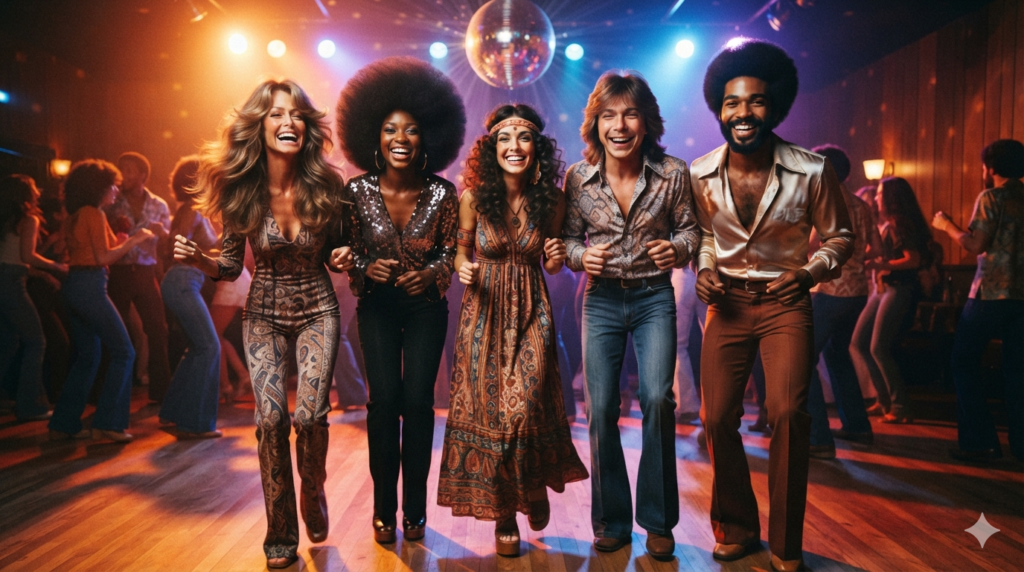

Big hair. Big personality. That was the heart of 70’s hair fashion. This decade gave us some of the boldest, most fun hairstyles in history. From feathered waves to giant afros, people used their hair to express freedom and joy. Even today, 70’s hair fashion keeps inspiring stylists, celebrities, and everyday people. In this guide, we will explore the most iconic looks, the stars who wore them, and how you can bring 70’s hair fashion into your own life. Whether you love disco nights or boho vibes, there is a style here for you. Let’s dive into the world of 70’s hair fashion and discover why it still turns heads today.
What Made 70’s Hair Fashion So Iconic?
70’s hair fashion stood out because it broke old rules. Before this decade, hairstyles were often stiff and formal. The 70’s changed that completely. People wanted hair that felt natural, wild, and full of movement. This was the era of peace, music, and self-expression. Hairstylists started experimenting with layers, curls, and volume like never before. Men grew their hair longer, and women embraced big, bouncy curls. 70’s hair fashion also mixed cultures and influences, from rock stars to soul singers. That mix created a rainbow of looks everyone could enjoy. Even now, when people think of retro style, they picture the bold shapes of 70’s hair fashion. It was more than a trend. It was a statement about freedom and individuality that still feels powerful today.
The Shag Haircut: A 70’s Hair Fashion Icon
If one haircut defines 70’s hair fashion, it’s the shag. This cut has short, choppy layers on top and longer pieces around the face and back. It looks a little messy on purpose, and that’s the whole point. Jane Fonda made the shag famous, and soon everyone wanted it. The shag worked for straight, wavy, and curly hair types. That made it super popular across many different people. Hairstylists loved it because it gave instant volume without much effort. You could style it with a blow dryer and your fingers. No fancy tools needed! Today, many salons still offer modern versions of the shag. It remains one of the easiest ways to bring 70’s hair fashion into a current, everyday look. If you want low-maintenance style with big personality, the shag is a great place to start.
Feathered Hair: Farrah Fawcett’s Legacy
No talk about 70’s hair fashion is complete without feathered hair. This style became famous thanks to actress Farrah Fawcett. Her layered, swooped-back waves appeared on posters in millions of homes. Feathered hair uses long layers that curl outward, like wings. It gave hair a soft, flowing shape around the face. Getting this look required a round brush and a blow dryer. Many women spent time each morning perfecting their feathered waves. It was worth the effort, though, because the style looked elegant and fun at once. Feathered hair worked well with middle or side parts. It also paired nicely with bangs for extra flair. Today, feathered layers are back in style salons everywhere. Stylists often blend this classic 70’s hair fashion look with modern texture sprays for an easier, all-day hold.
Afro Hairstyles: Bold and Beautiful 70’s Hair Fashion
The afro was one of the most powerful looks in 70’s hair fashion. It celebrated natural curl patterns and Black beauty with pride. Instead of straightening curls, people let them grow big and round. This style became a symbol of confidence during the Civil Rights era. Icons like Angela Davis and Pam Grier wore afros that inspired millions. Styling an afro often meant using a pick comb to shape and lift the hair. Some people added colorful headbands or scarves for extra style. The afro was not just a haircut. It was a message about identity and self-love. Today, natural hair movements continue to honor this legacy. Many stylists now teach techniques rooted in this proud piece of 70’s hair fashion history, helping new generations embrace their natural curls with confidence.
Disco Hair: Shiny, Voluminous, and Fun
When disco music took over, hair got even bigger and shinier. Disco hair was all about movement under the lights. Think loose curls, glossy shine, and lots of bounce. People used curling irons to create soft waves that would flow while dancing. Hairspray became a must-have product during this time. Glitter and shiny hair accessories often finished the look. Disco hair fit perfectly with sparkly outfits and platform shoes. This style showed how 70’s hair fashion connected closely with music and nightlife. Both men and women embraced shiny, voluminous hair for a night out. Some added subtle highlights to catch the light even more. Modern disco-inspired looks still show up at parties and themed events. If you want a fun throwback style, disco hair brings instant glamour and energy to any occasion.
70’s Men’s Hairstyles: Long Locks and Sideburns
70’s hair fashion wasn’t just for women. Men also embraced longer, freer styles during this decade. Many grew their hair past their ears or shoulders. Long sideburns became a signature look, often paired with mustaches. Curly perms were also popular among men who wanted extra volume. Rock stars like David Bowie pushed boundaries with colorful, edgy cuts. Meanwhile, other men chose softer, natural waves inspired by folk and hippie culture. This shift away from short, neat cuts felt rebellious at the time. It represented a break from strict older traditions. Men’s 70’s hair fashion celebrated individuality just as much as women’s styles did. Today, some barbers bring back these longer, textured looks for clients wanting a retro edge. Sideburns and soft waves remain an easy way to channel this classic decade.
Boho and Hippie Hair: The Free-Spirited Side of 70’s Hair Fashion
Bohemian style played a huge role in shaping 70’s hair fashion. This look focused on natural texture and relaxed waves. People often skipped heavy styling tools completely. Instead, they let their hair air-dry into soft, loose curls. Headbands, flower crowns, and braided details were common additions. Center parts became a signature part of the boho look. This style matched perfectly with flowy dresses and peace-sign jewelry. It reflected a love for nature, music festivals, and simple living. Long, straight hair with a slight wave also fit into this category. Many people braided small sections for a boho-chic touch. Today, festival fashion still borrows heavily from this era. If you love an effortless, natural vibe, boho hair remains one of the most relaxed styles within 70’s hair fashion history.
70’s Hair Color Trends You Should Know
Color played a big part in completing any 70’s hair fashion look. Warm tones were especially popular during this decade. Think honey blonde, chestnut brown, and copper red shades. Sun-kissed highlights added natural-looking dimension to hair. Many people used lemon juice and sunlight to lighten their hair at home. Henna also became popular for adding rich, reddish tones naturally. Bold colors weren’t as mainstream as they are today, but some rockers experimented with bright shades. Overall, the color trends leaned toward warm, earthy, and natural-looking tones. These shades complemented the era’s love for nature and freedom. Today, colorists often recreate these warm, dimensional looks using modern balayage techniques. If you want authentic 70’s hair fashion color, ask your stylist for warm caramel or golden highlights blended softly throughout your hair.
How to Get 70’s Hair Fashion Today
You don’t need a time machine to enjoy 70’s hair fashion. Many of these styles work beautifully with modern life. Start by talking to your stylist about layers. Shag cuts and feathered layers both add instant volume and movement. If you have curly hair, consider embracing a natural, rounder shape like the afro. For straight hair, try loose waves using a curling iron. Add a center part for an easy boho feel. Warm highlights can bring authentic 70’s color into your look. Don’t forget accessories like headbands or scarves for extra flair. These small touches make a big difference. Practice makes styling easier over time. Watching tutorials can also help you master techniques like feathering. With a little patience, you can bring the fun, free spirit of 70’s hair fashion into your everyday routine.
Best Products for Recreating 70’s Hairstyles
The right products make recreating 70’s hair fashion much easier. A good volumizing mousse helps add lift at the roots. Round brushes are essential for feathered, flipped-out styles. A curling iron with a one-inch barrel creates soft, bouncy waves. Texture spray adds grip for loose, boho curls. For afros, a wide-tooth pick comb helps shape and lift natural curls evenly. Shine spray brings back that glossy disco-hair effect. Hairspray with flexible hold keeps styles bouncy without feeling stiff. Leave-in conditioner keeps curls soft and healthy looking. Warm-toned hair color glazes can boost that classic 70’s shade. Investing in these simple tools makes a big difference. You don’t need an expensive salon visit every time. With the right products at home, anyone can recreate 70’s hair fashion looks confidently and easily.
Detailed Table: Popular 70’s Hairstyles at a Glance
| Hairstyle | Best For Hair Type | Signature Feature | Famous For | Styling Tool Needed |
|---|---|---|---|---|
| Shag Cut | Straight, Wavy, Curly | Choppy layers, tousled look | Jane Fonda | Round brush, fingers |
| Feathered Hair | Straight, Wavy | Wing-like swooped layers | Farrah Fawcett | Round brush, blow dryer |
| Afro | Curly, Coily | Rounded natural volume | Angela Davis, Pam Grier | Pick comb |
| Disco Curls | All hair types | Shiny, bouncy waves | Studio 54 dancers | Curling iron |
| Men’s Long Waves | Wavy, Curly | Shoulder-length volume | David Bowie | Perm rods, dryer |
| Boho Waves | Straight, Wavy | Loose, natural texture | Festival-goers | Air dry, texture spray |
This table gives you a quick snapshot of each iconic 70’s hair fashion look. Use it to decide which style matches your hair type best. Notice how most styles need simple tools, not complicated equipment. That’s part of why 70’s hair fashion remains so approachable today. You can mix and match elements too, like adding feathered layers to a shag cut. Experimenting is part of the fun. Many stylists suggest bringing this table to your next salon visit. It helps explain exactly what look you’re hoping to achieve. A clear reference makes communication easier between you and your stylist, leading to better results every time.
Celebrities Who Defined 70’s Hair Fashion
Several celebrities shaped how we remember 70’s hair fashion today. Farrah Fawcett’s feathered waves became a cultural phenomenon overnight. Jane Fonda’s shag cut inspired countless women to chop their hair short. Diana Ross rocked big, glamorous curls that matched her powerful stage presence. David Bowie constantly reinvented his look, blending glam rock with bold color choices. Cher wore long, straight hair that felt effortlessly cool. Pam Grier’s afro became a symbol of strength and beauty. These stars didn’t just follow trends. They created them. Magazines and TV shows spread their styles across the world quickly. Fans everywhere tried to copy their favorite celebrity’s hair. This star power helped cement 70’s hair fashion as one of the most memorable eras in beauty history. Their influence still appears in fashion magazines and red carpet looks today.
Why 70’s Hair Fashion Is Making a Comeback
Fashion always moves in cycles, and 70’s hair fashion is back in a big way. Social media platforms love nostalgic, retro content. Many influencers now recreate shag cuts and feathered layers for their followers. Runway shows have also featured big, voluminous curls reminiscent of this era. People are tired of overly sleek, perfect styles. They want hair that feels natural and full of personality again. Sustainability trends also play a role, since many 70’s styles need less daily heat styling. Vintage clothing has become popular too, and hair naturally follows fashion trends. Celebrities today often reference 70’s icons in interviews and photoshoots. This blend of nostalgia and practicality makes the comeback feel authentic. Whether through TikTok tutorials or salon requests, 70’s hair fashion proves that great style truly never goes out of fashion.
Frequently Asked Questions About 70’s Hair Fashion
1. What is the most popular 70’s hair fashion style? The shag haircut is often considered the most iconic 70’s hair fashion style. It works on many hair types and gives instant volume with little effort. Feathered hair is a close second, thanks to Farrah Fawcett’s famous look.
2. How do I get feathered hair like the 70’s? Use a round brush while blow-drying your hair. Curl the ends outward, away from your face. Finish with a light-hold hairspray. This creates that classic feathered, wing-like shape seen throughout 70’s hair fashion.
3. Is the afro considered part of 70’s hair fashion? Yes, the afro is one of the most important looks in 70’s hair fashion. It represented natural beauty and cultural pride. Many icons wore it proudly, and its influence continues in today’s natural hair movement.
4. What hair colors were popular during the 70’s? Warm, natural tones ruled 70’s hair fashion color trends. Think honey blonde, copper red, and chestnut brown. Sun-kissed highlights were also common, often created naturally with lemon juice and sunlight.
5. Can men still wear 70’s hairstyles today? Absolutely! Long waves, sideburns, and soft curls remain stylish choices. Many barbers now offer modern takes on these classic looks, blending 70’s hair fashion with today’s grooming trends.
6. Do I need expensive products to recreate 70’s hair fashion? Not at all. A round brush, curling iron, and volumizing mousse can go a long way. Simple, affordable tools are often enough to recreate authentic 70’s hair fashion looks at home.
Conclusion: Bring the Groove of 70’s Hair Fashion Into Your Life
70’s hair fashion was bold, free, and full of personality. From feathered waves to proud afros, every style told a story. This decade taught us that hair can be a form of self-expression. Today, these looks continue inspiring stylists and trendsetters everywhere. Whether you try a shag cut or add warm highlights, you’re honoring a beautiful piece of beauty history. Why not experiment with one of these iconic looks yourself? Visit your stylist, show them this guide, and bring a little bit of 70’s hair fashion magic into your everyday routine. Your hair journey deserves a touch of retro fun. Ready to get groovy? Book your next salon appointment and let the 70’s inspire your next big hair transformation today.