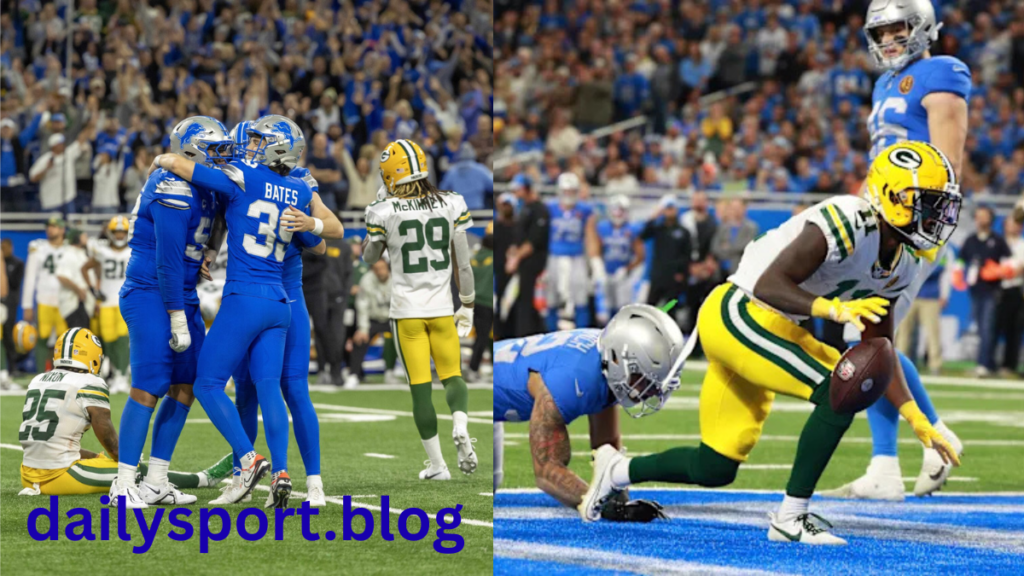

The rivalry between the Detroit Lions and Green Bay Packers is one of the most recognizable matchups in the NFL. Every meeting between these NFC North opponents attracts attention from fans, analysts, and fantasy football enthusiasts who want to understand which players made the biggest impact. While the final score often dominates headlines, player statistics reveal the true story behind the outcome.
Examining the Detroit Lions vs Green Bay Packers match player stats provides valuable insight into offensive execution, defensive dominance, and individual performances that shaped the game. From quarterback efficiency to defensive pressure, every statistic helps paint a complete picture of how the contest unfolded. This detailed breakdown explores the key performances, team trends, and standout moments from the matchup.
Detroit Lions vs Green Bay Packers Match Overview
Game Summary and Final Score
The matchup between the Lions and Packers delivered the intensity fans have come to expect from this long-standing divisional rivalry. Both teams entered the game with clear objectives, aiming to strengthen their position within the NFC standings while proving their competitiveness against a familiar opponent.
Throughout the contest, momentum shifted multiple times. Strong offensive drives, timely defensive stops, and critical third-down conversions played significant roles in determining the final result. The score reflected a hard-fought battle in which every possession carried importance.
Key Moments That Defined the Match
Several game-changing moments influenced the outcome. Explosive offensive plays generated scoring opportunities, while defensive units created pressure that disrupted opposing drives. These moments often became the turning points that altered momentum.
Special teams also contributed in crucial situations. Field position battles, accurate kicking, and effective coverage units helped shape the strategic flow of the game. Collectively, these moments highlighted the importance of all three phases of football.
Quarterback Performance Analysis
Detroit Lions Quarterback Stats
The Lions quarterback displayed confidence and efficiency throughout the game. Accurate passing and strong decision-making allowed Detroit to sustain drives and move the ball effectively against a disciplined Packers defense.
His ability to identify favorable matchups contributed significantly to the team’s offensive success. Consistent completions on short and intermediate routes helped maintain possession and create opportunities for larger gains downfield.
In addition to passing production, leadership and composure played important roles. The quarterback managed the pace of the game well and demonstrated strong awareness under pressure.
Green Bay Packers Quarterback Stats
Green Bay’s quarterback responded with an impressive performance of his own. He showcased arm strength, mobility, and the ability to extend plays when protection broke down.
The Packers’ passing attack relied heavily on timing and precision. Effective communication with receivers led to several important completions that kept drives alive and generated scoring chances.
Despite facing defensive pressure, the quarterback remained poised and delivered key throws in critical situations. His overall performance reflected the importance of quarterback play in a closely contested divisional matchup.
Quarterback Comparison
Comparing the two quarterbacks reveals how evenly matched the game was. Both players demonstrated accuracy, leadership, and the ability to perform under pressure.
The difference often came down to situational execution. Third-down conversions, red-zone efficiency, and avoidance of costly mistakes ultimately influenced which quarterback had the greater impact on the final outcome.
Running Back Performance Breakdown
Detroit Lions Rushing Leaders
Detroit’s rushing attack provided balance to the offense and prevented the Packers from focusing solely on stopping the passing game. The Lions running backs consistently gained positive yardage and helped control the tempo.
Strong vision and effective blocking contributed to several productive runs. These gains helped create manageable down-and-distance situations, allowing the offense to remain unpredictable.
The running game also played a key role near the goal line. Physical rushing attempts and determination after contact demonstrated the importance of establishing a reliable ground attack.
Green Bay Packers Rushing Leaders
The Packers relied on their running backs to create offensive balance and reduce pressure on the passing game. Their rushing unit showed patience, explosiveness, and the ability to capitalize on defensive openings.
Several runs generated substantial gains and helped Green Bay sustain lengthy drives. The ability to move the chains on the ground proved particularly valuable during critical moments.
The rushing attack also contributed to play-action opportunities. By forcing defenders to respect the run, Green Bay created favorable passing situations throughout the game.
Which Team Controlled the Ground Game?
The battle in the trenches played a major role in determining which team controlled possession. Both rushing attacks had periods of success, but consistency ultimately became the deciding factor.
Whichever team generated more efficient rushing production gained an advantage in time of possession, field position, and offensive rhythm. This aspect of the game often influenced the overall flow of the contest.
Wide Receiver and Tight End Statistics
Top Detroit Lions Receivers
Detroit’s receiving group delivered several impressive performances. Wide receivers consistently created separation and provided reliable targets throughout the game.
Their ability to gain yards after the catch added another dimension to the offense. Short completions frequently turned into significant gains due to strong route running and athleticism.
The tight ends also played a valuable role. Whether contributing as blockers or pass catchers, they helped create mismatches and expanded the offense’s versatility.
Top Green Bay Packers Receivers
Green Bay’s receiving corps showcased speed, route precision, and strong hands. Receivers made several difficult catches in contested situations and helped sustain offensive momentum.
Explosive plays through the air highlighted the unit’s potential. Deep receptions and well-executed routes placed pressure on the Lions secondary throughout the game.
The Packers’ tight ends also provided dependable production. Their contributions in key situations emphasized the importance of having multiple receiving threats.
Receiving Corps Comparison
Comparing both receiving groups reveals a competitive battle between talented playmakers. Each team benefited from receivers capable of producing significant yardage and critical first downs.
Ultimately, consistency and execution in important moments separated the performances. Key catches on third down and in scoring situations often carried greater value than overall yardage totals.
Defensive Player Stats and Impact
Detroit Lions Defensive Standouts
Detroit’s defense produced several impactful performances. Defensive linemen generated pressure that forced hurried throws and disrupted offensive rhythm.
Linebackers contributed by stopping the run and covering receivers in space. Their versatility allowed the defense to remain effective against multiple offensive formations.
The secondary also played a significant role. Pass breakups, tight coverage, and timely turnovers helped limit scoring opportunities and shift momentum in Detroit’s favor.
Green Bay Packers Defensive Leaders
Green Bay’s defense responded with physical and disciplined play. The defensive front consistently challenged the Lions offensive line and created pressure throughout the contest.
Linebackers demonstrated strong tackling ability and awareness. Their contributions against both the run and pass helped maintain defensive balance.
The Packers secondary delivered important plays as well. Effective coverage and ball awareness prevented several potential big gains and kept the game competitive.
Defensive Battle Analysis
The defensive battle highlighted the importance of preparation and execution. Both units made adjustments throughout the game and successfully countered offensive strategies.
Pressure on quarterbacks, effective tackling, and turnover creation emerged as key factors. Defensive success often determined field position and influenced scoring opportunities.
Special Teams Performance Review
Kicking and Field Goal Statistics
Special teams can often decide close games, and this matchup was no exception. Both kicking units faced pressure-filled situations that required precision and confidence.
Successful field goals and extra points provided valuable scoring contributions. Reliable kicking ensured that offensive drives resulted in points whenever opportunities arose.
Punt and Kick Return Analysis
Field position remained a crucial factor throughout the contest. Effective punt and kick returns helped offenses begin drives with favorable opportunities.
Coverage teams also deserve recognition. Limiting return yardage and maintaining discipline prevented opponents from gaining easy advantages in field position.
Team Statistics Comparison
Offensive Team Stats
Both teams displayed offensive strengths in different areas. Passing efficiency, rushing productivity, and third-down success rates all influenced overall performance.
The balance between run and pass often determined offensive effectiveness. Teams that maintained unpredictability generally found greater success moving the football.
Total yardage provided a useful indicator of offensive output, but situational execution proved equally important in determining results.
Defensive Team Stats
Defensive statistics revealed which unit consistently limited opportunities. Tackles for loss, quarterback pressures, and turnovers all contributed to defensive success.
Stopping opponents in critical situations became a defining factor. Red-zone defense and third-down efficiency frequently determined whether drives ended in points.
Penalty and Discipline Analysis
Discipline played a major role in the outcome. Penalties can extend drives, eliminate scoring opportunities, or shift momentum dramatically.
Teams that minimized mistakes generally placed themselves in stronger positions to succeed. Maintaining composure during high-pressure moments reflected strong coaching and preparation.
Top Performers of the Game
Offensive MVP Candidates
Several offensive players produced performances worthy of recognition. Quarterbacks, running backs, and receivers all contributed in meaningful ways.
Their statistical production, combined with their influence on key moments, made them strong candidates for offensive MVP consideration.
Defensive MVP Candidates
Defensive stars often impact games in ways that extend beyond traditional statistics. Pressure, leadership, and timely plays can completely alter momentum.
Players who generated turnovers or disrupted offensive rhythm consistently stood out as defensive MVP candidates.
Overall Player of the Match
The overall player of the match is typically the individual whose performance had the greatest influence on the outcome. Whether through offensive production or defensive dominance, this player consistently delivered when needed most.
His contribution extended beyond raw numbers and reflected leadership, execution, and the ability to perform under pressure.
Key Takeaways from Detroit Lions vs Green Bay Packers Match Player Stats
The statistical breakdown highlights the competitive nature of the matchup. Both teams demonstrated strengths in multiple areas and showcased the talent present throughout their rosters.
Quarterback play, rushing efficiency, receiving production, and defensive execution all contributed to the overall story of the game. These statistics provide valuable insight into each team’s identity and performance level.
The game also emphasized the importance of situational football. Success on third downs, red-zone opportunities, and turnover battles often proved more significant than total yardage alone.
Conclusion
The Detroit Lions vs Green Bay Packers match player stats reveal far more than a final score. They showcase the individual performances, strategic decisions, and critical moments that shaped the contest. From quarterback efficiency to defensive resilience, every aspect of the game contributed to a compelling divisional battle.
As these NFC North rivals continue their historic competition, player statistics will remain a valuable tool for understanding strengths, weaknesses, and future expectations. For fans and analysts alike, studying these numbers offers a deeper appreciation of what makes this rivalry one of the NFL’s most exciting matchups.
Frequently Asked Questions
Who had the best quarterback performance in the Detroit Lions vs Green Bay Packers game?
The answer depends on passing efficiency, touchdowns, completion percentage, and overall impact on key drives during the game.
Which running back made the biggest impact?
The most impactful running back is typically the player who generated consistent yardage, scored touchdowns, and helped control possession.
What defensive statistics were most important?
Sacks, interceptions, tackles for loss, quarterback pressures, and forced turnovers were among the most influential defensive metrics.
Why are player stats important when analyzing NFL games?
Player statistics provide insight into individual contributions, team strategies, and the factors that ultimately influenced the outcome.
What can fans learn from Detroit Lions vs Green Bay Packers match player stats?
Fans can better understand player performance, team strengths, tactical decisions, and trends that may affect future matchups.
You may also read: