
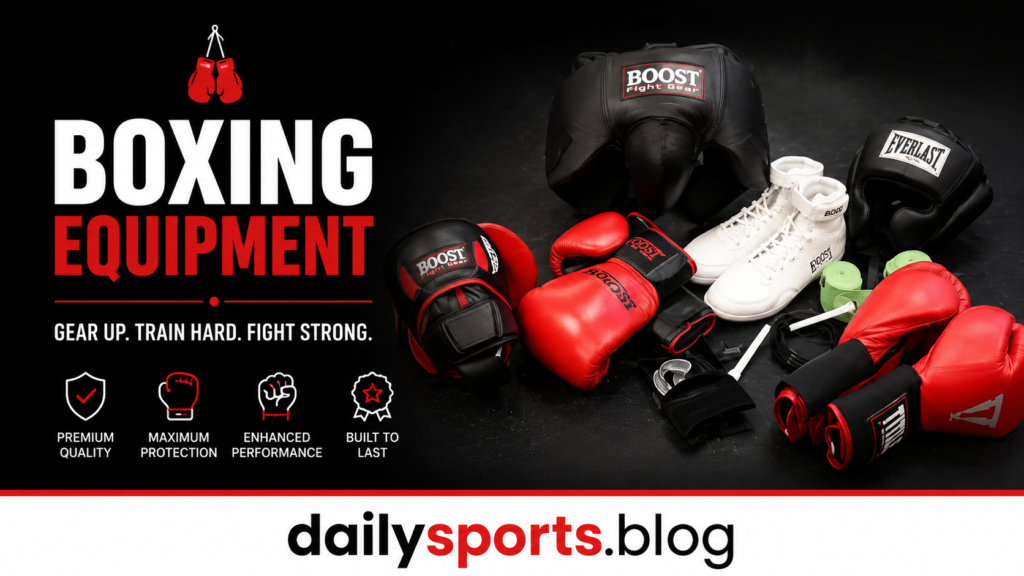

Boxing is more than just a combat sport, it is a discipline that builds strength, endurance, speed, and mental toughness. Whether someone is training for fitness, self-defense, or competition, having the right boxing equipment plays a major role in performance and safety. Beginners often underestimate how important proper gear is, but in reality, it directly affects progress and injury prevention.
When starting boxing training, the variety of equipment available can feel overwhelming. From gloves and hand wraps to punching bags and protective gear, each item serves a specific purpose. Understanding these essentials helps beginners make smarter decisions, improve training quality, and build a strong foundation in the sport.
Essential Boxing Equipment Every Beginner Needs
Starting boxing does not require a full professional setup, but a few essential items are necessary for safe and effective training. The right boxing equipment ensures that beginners can practice techniques without risking unnecessary injuries.
Boxing Gloves and Hand Protection Basics
Boxing gloves are the most important piece of equipment for any fighter. They protect the hands and reduce impact on the opponent or punching bag. Hand wraps are equally important because they stabilize the wrists and knuckles, preventing sprains and fractures during training.
Mouthguards and Training Apparel
A mouthguard is essential for sparring sessions as it protects teeth and reduces jaw impact. Comfortable athletic clothing and supportive shoes also improve movement and reduce strain during workouts. Beginners should always prioritize comfort and safety when selecting their first set of gear.
Boxing Gloves Types and How to Choose the Right One
Choosing the right gloves is one of the most important decisions when buying boxing equipment. Gloves come in different styles and weights, each designed for specific training purposes.
Training Gloves, Sparring Gloves, and Competition Gloves
Training gloves are designed for general workouts and bag work, while sparring gloves are more padded to ensure safety during partner practice. Competition gloves are lighter and designed for official matches, focusing more on speed and precision.
Size, Material, and Fit Considerations
Glove size is usually measured in ounces, and heavier gloves provide more protection but less speed. Beginners often choose 12–16 oz gloves depending on body weight and training intensity. High-quality materials like genuine leather last longer, while synthetic gloves are more affordable for beginners.
A proper fit is crucial because loose gloves can lead to poor control, while tight gloves may cause discomfort and restrict movement. Trying different sizes helps beginners find the best match for their training needs.
Punching Bags and Training Equipment Explained
Punching bags are one of the most effective tools in boxing training. They help improve power, timing, coordination, and endurance, making them essential boxing equipment for all levels.
Heavy Bags, Speed Bags, and Double-End Bags
Heavy bags are used to build strength and power in punches. Speed bags improve hand-eye coordination and rhythm, while double-end bags help develop timing and accuracy. Each type plays a different role in skill development.
Focus Pads and Partner Training Tools
Focus pads and mitts are used with a training partner or coach to simulate real fighting conditions. They help improve precision, defensive movement, and reaction speed. Training with pads also builds communication skills between boxer and coach, which is essential for advanced performance.
Setting up a small home training space with at least one punching bag and a set of pads can significantly improve progress for beginners who cannot attend a gym regularly.
Protective Boxing Equipment for Safety and Performance
Safety is one of the most important aspects of boxing training, especially for beginners. Protective boxing equipment helps reduce injuries and allows athletes to train with confidence.
Headgear and Sparring Protection
Headgear is used during sparring sessions to protect the head from accidental hits. While it does not eliminate all risk, it significantly reduces cuts, bruises, and impact injuries. Beginners should never spar without proper head protection.
Groin Guards and Joint Support
Groin protection is essential for male athletes, while chest protectors may be used for female fighters. Wrist and ankle supports also help prevent strain during intense training sessions. These safety tools ensure long-term training consistency without frequent injuries.
Proper protective gear allows boxers to focus on technique instead of worrying about pain or injury.
Advanced Boxing Equipment for Serious Training
As training progresses, athletes often introduce advanced boxing equipment to improve performance and conditioning. These tools help refine speed, strength, and endurance.
Speed Training Tools and Conditioning Gear
Speed ropes, resistance bands, and reflex balls are commonly used for improving footwork and reaction time. These tools enhance coordination and build cardiovascular endurance, which is crucial for competitive boxing.
Boxing Shoes and Strength Accessories
Boxing shoes are designed to provide grip, balance, and ankle support during movement. Unlike regular shoes, they allow quick direction changes and better stability. Strength training accessories like weighted gloves or resistance equipment help build punching power over time.
Advanced equipment is not mandatory for beginners, but it becomes valuable as skills develop and training intensity increases.
Boxing Equipment for Home vs Gym Training
Training environments greatly influence the type of boxing equipment needed. Home setups are more flexible, while gyms provide a complete professional experience.
Home Boxing Setup Essentials
For home training, basic equipment such as gloves, a punching bag, and a jump rope are usually enough. Space-saving gear is ideal for small rooms, and wall-mounted bags can be a practical option. Home training allows flexibility and convenience for daily practice.
Gym Training Advantages
Gyms offer access to professional-grade equipment, coaches, and sparring partners. This environment helps boxers improve faster due to structured training and real-time feedback. However, gym memberships may not always be accessible, making home setups a useful alternative.
Combining both environments can provide the best results for consistent improvement.
Tips for Maintaining Boxing Equipment
Proper maintenance of boxing equipment ensures durability, hygiene, and long-term performance. Without care, even high-quality gear can wear out quickly.
Cleaning and Storage Practices
Gloves should be aired out after every session to prevent odor and bacterial buildup. Hand wraps should be washed regularly, and punching bags should be checked for wear and tear. Proper storage in a dry area helps extend equipment life.
When to Replace Equipment
Over time, gloves lose padding, and bags may develop cracks or weak spots. Replacing worn-out gear is essential to maintain safety and training efficiency. Regular inspection helps prevent unexpected injuries during workouts.
Good maintenance habits ensure that boxing equipment remains reliable and safe for long-term use.
Conclusion
Boxing is a powerful sport that requires discipline, dedication, and the right equipment. From gloves and punching bags to protective gear and advanced training tools, every piece of boxing equipment plays a role in shaping a fighter’s journey. Beginners should focus on building a strong foundation with essential gear before progressing to advanced tools.
Investing in quality equipment not only improves performance but also ensures safety during training. Whether training at home or in a gym, the right setup can make a significant difference in progress and confidence. With consistency and proper gear, anyone can develop strong boxing skills over time.
Frequently Asked Questions
What boxing equipment do beginners need first?
Beginners should start with boxing gloves, hand wraps, a mouthguard, and a basic punching bag. These essentials provide safety and allow proper training from the beginning.
How do I choose the right boxing gloves?
The right gloves depend on weight, training type, and comfort. Heavier gloves offer more protection, while lighter ones improve speed. Trying different sizes helps find the best fit.
Can I train boxing at home without a gym?
Yes, home boxing training is possible with basic equipment like gloves, a bag, and a jump rope. However, progress may be faster with occasional gym training.
What is the purpose of a punching bag in boxing?
A punching bag helps develop power, accuracy, timing, and endurance. It is one of the most effective tools for improving overall boxing performance.
How often should boxing equipment be replaced?
Replacement depends on usage, but gloves and bags should be replaced when padding wears out or damage appears. Regular inspection ensures safety and effectiveness.